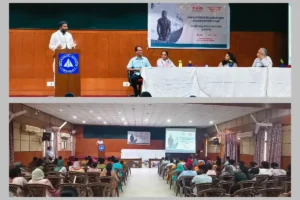
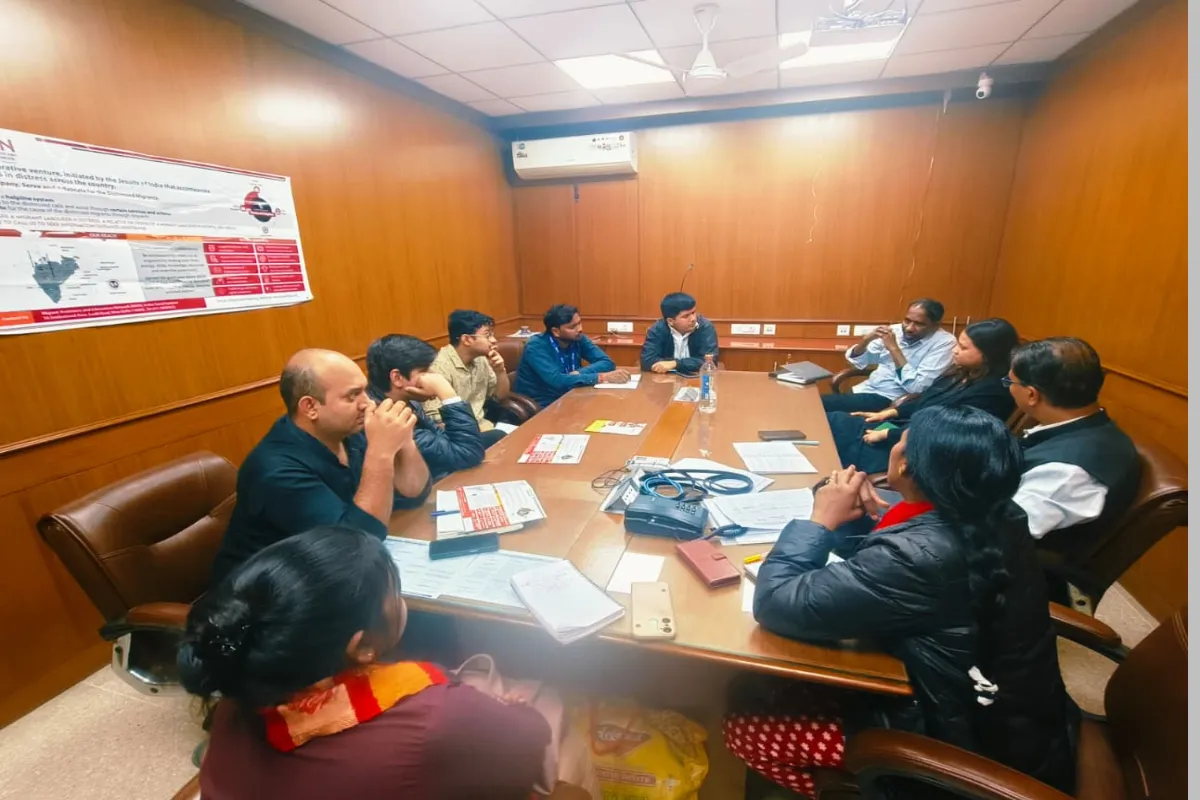
On February 17th, 2026, Migrant Assistance & Information Network (MAIN) organized a consultation meeting bringing together NGOs and legal professionals to discuss the pressing issues faced by migrant workers and explore collaborative solutions. The meeting aimed to strengthen coordination between civil society organizations and the legal community to ensure better access to justice and social protection for migrants.
The session witnessed active participation from representatives of various non-governmental organizations, grassroots leaders, and practicing lawyers who have been working closely with marginalized communities. The discussion focused on key challenges such as wage theft, lack of written contracts, unsafe working conditions, limited access to identity documentation, and barriers in accessing government welfare schemes.
Lawyers shared insights into the legal remedies available under labour laws and emphasized the importance of legal awareness among migrant workers. They discussed strategies to improve legal aid outreach, simplify documentation processes, and enhance support mechanisms for workers facing exploitation or workplace disputes.
NGO representatives highlighted field-level experiences, particularly the difficulties migrants encounter in navigating administrative systems, especially when they move across states. The need for portability of social security benefits, improved grievance redressal systems, and stronger implementation of labour protections was strongly emphasized.
The meeting concluded with a collective commitment to:
- Strengthen legal literacy programs for migrant communities
- Develop referral networks between NGOs and lawyers
- Conduct joint legal aid and documentation camps
- Advocate for policy reforms that ensure dignity and protection for migrant workers
This consultation marked an important step toward building a coordinated support system where civil society and legal professionals work together to safeguard the rights of migrant workers. MAIN remains committed to fostering such partnerships to ensure that migrants receive timely legal assistance and are empowered to claim their rights with confidence.